
Mask without a sewing machine


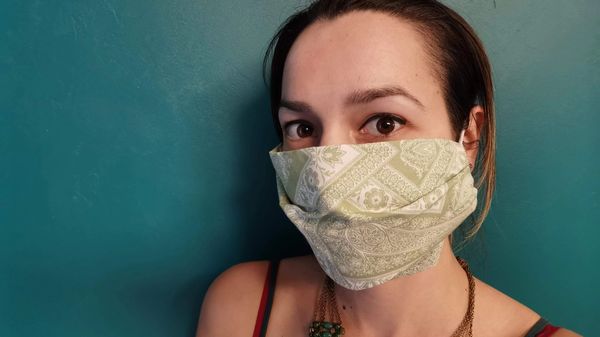
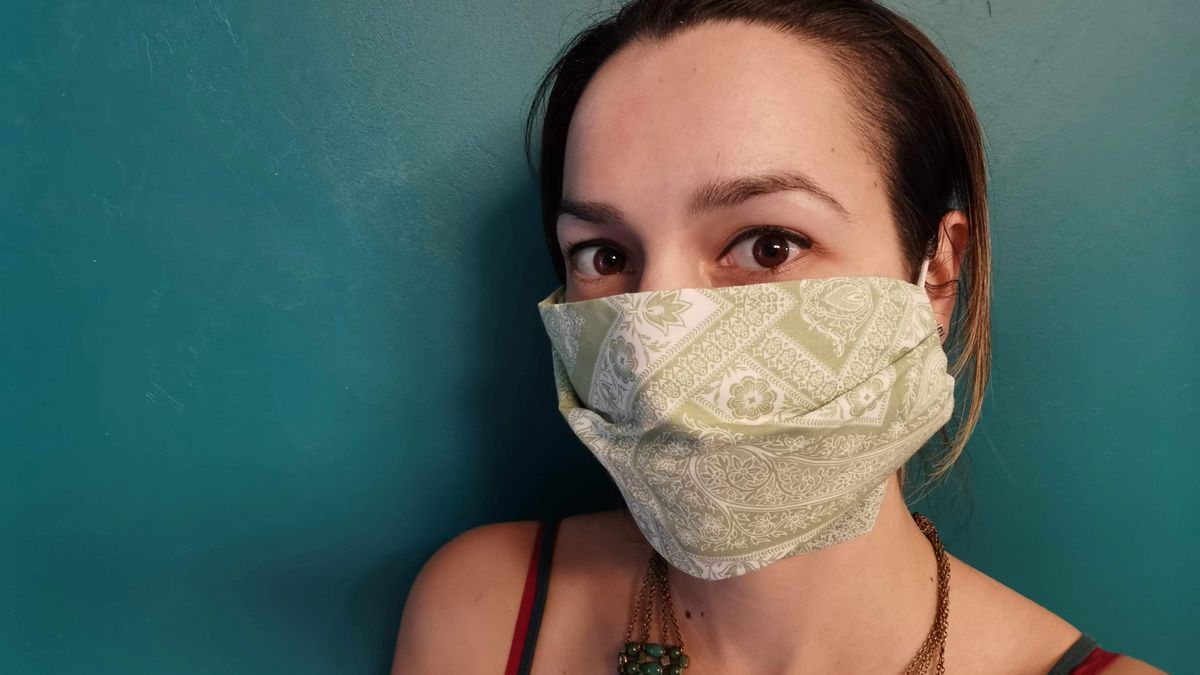
Step 1 - Before we start
The mask that we are going to create has two different layers:
- 1 layer of cotton fabric folded in half. It will compose the front and back of the mask.
- 1 insertable filter in the middle:
- It can be disposable (handkerchief, paper towel, dusting wipe)
- It can be reusable and washable, it is more ecological (microfiber cloth)
Step 2 - What we need
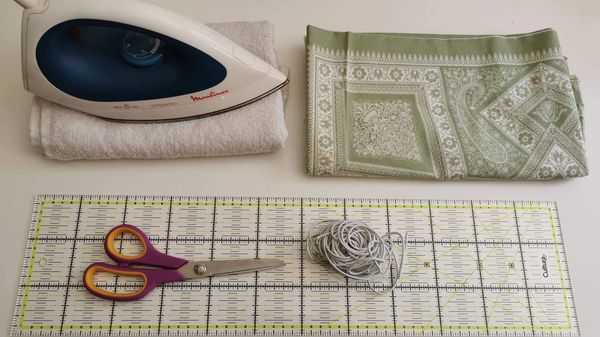
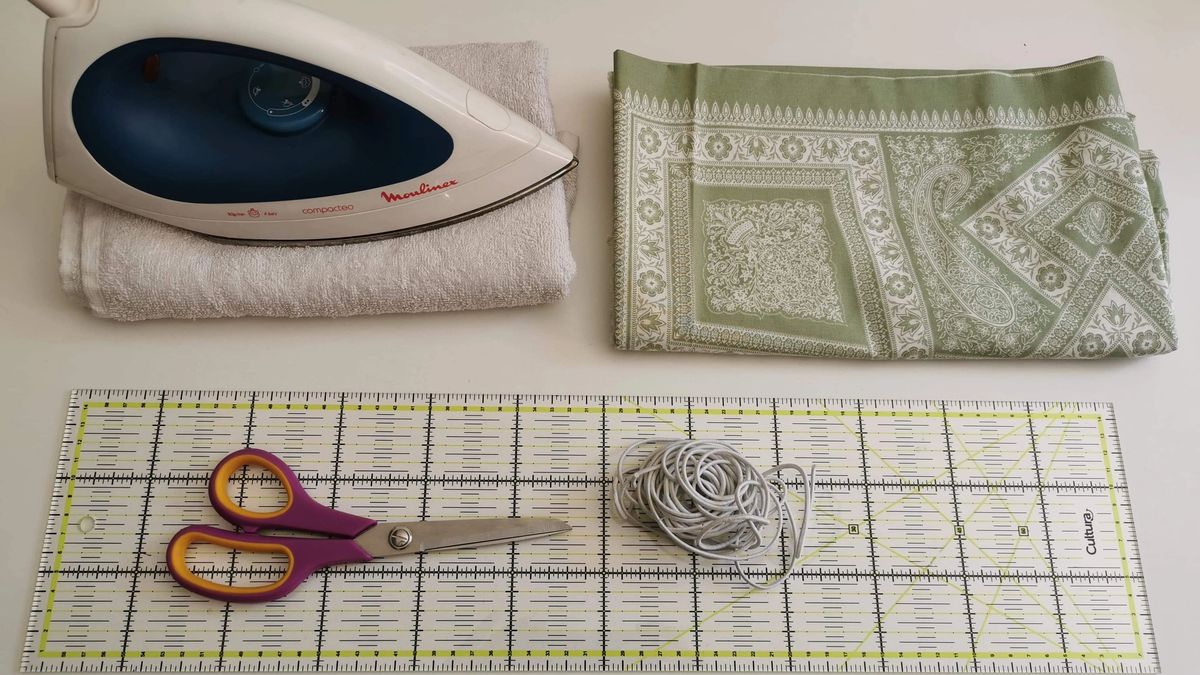
You will need:
- Sewing thread and a needle, or two safety pins.
- Some cotton fabric
- Elastics (standard adult length: 17cm / 6.7in)
- 1 iron
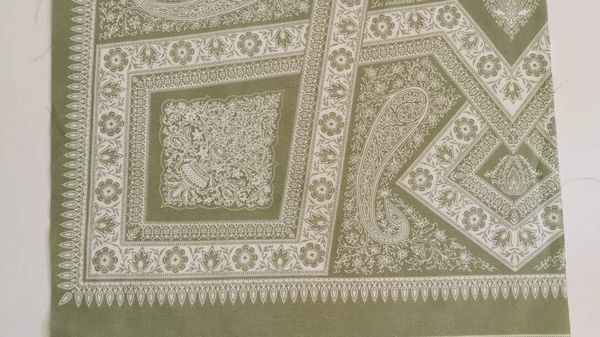
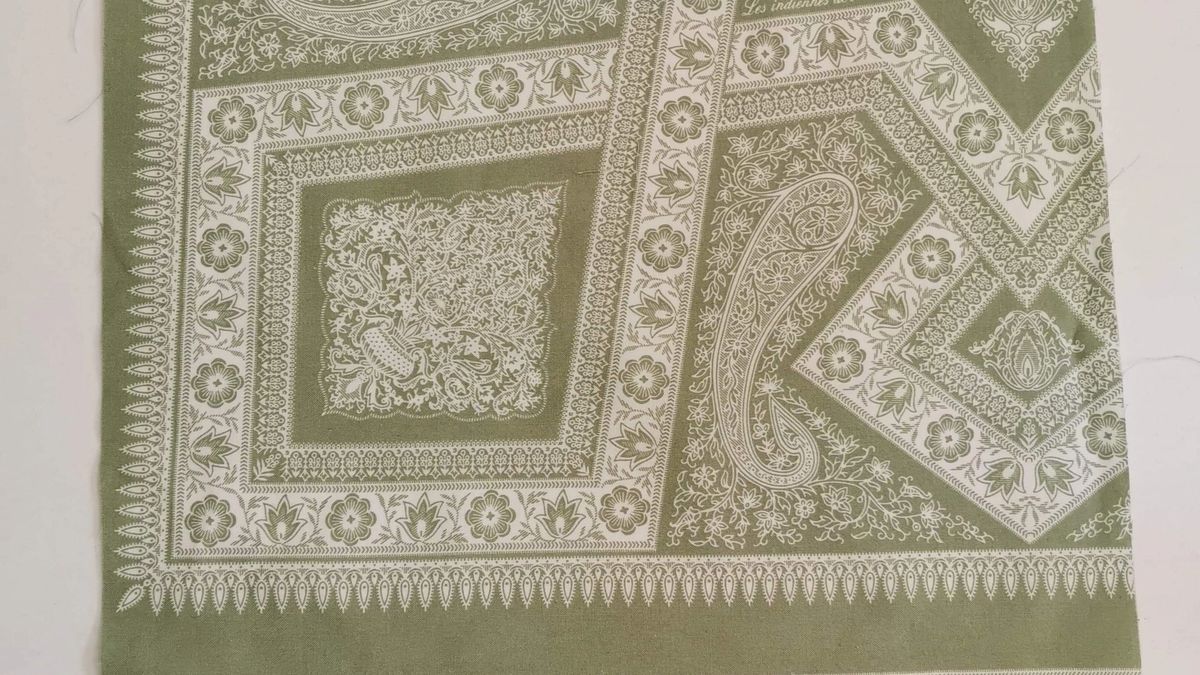
If you don't have elastic bands, you can cut a length out of an old t-shirt or leggings. The cut part should be sufficiently elastic.When choosing a cotton fabric, it's important to check that the threads that compose it are tight enough to act as a barrier.
A simple and efficient test is to observe if the sunlight is passing through it. If a lot of light passes through, then select a fabric which seems more opaque to it, because the meshes that compose it are tighter.
Step 3 - The cut
Cut a rectangle in the cotton fabric: 44cm / 17.3in long by 34cm / 13.4in wide.
Step 4 - Folding the edges
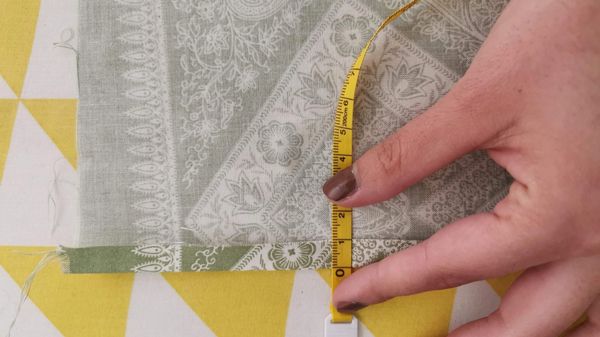
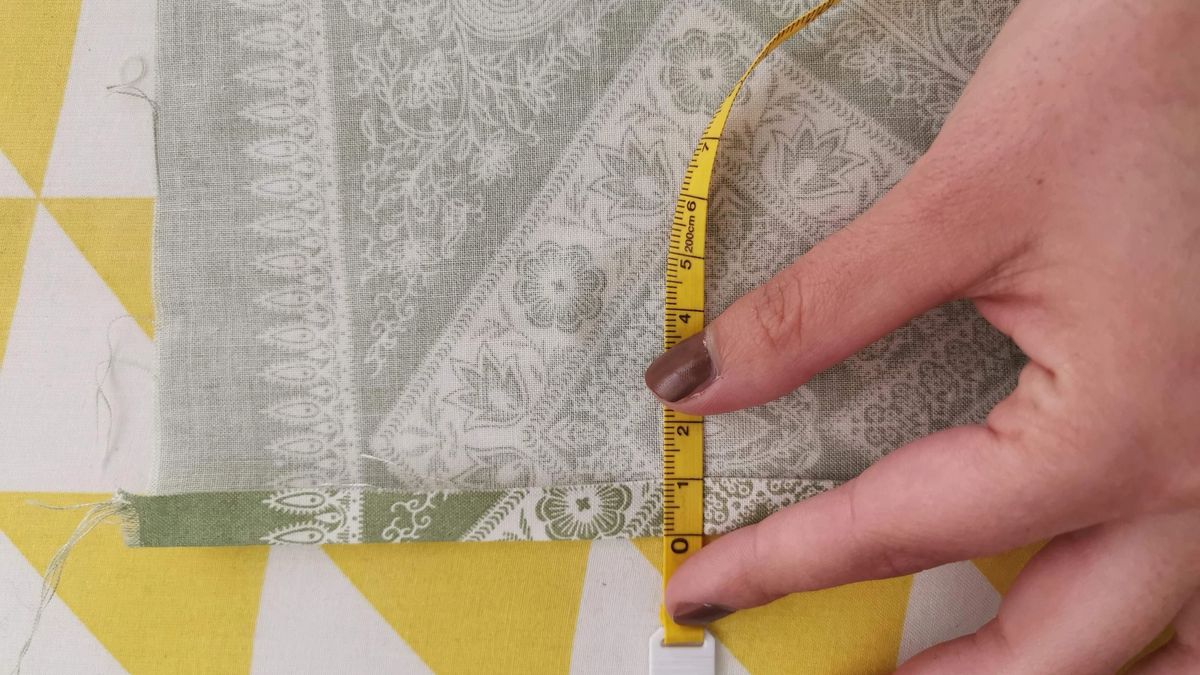
Fold the bottom of the fabric over 1cm / 0.4in and use your iron to mark the fold.
Fold again over 1cm and iron.
Repeat the same two steps on the top side of the fabric. Thanks to these folds, the fabric will not fray on your nose and the finish will be neat.
You can also decide to use fabric glue to fix the two hems we just made.
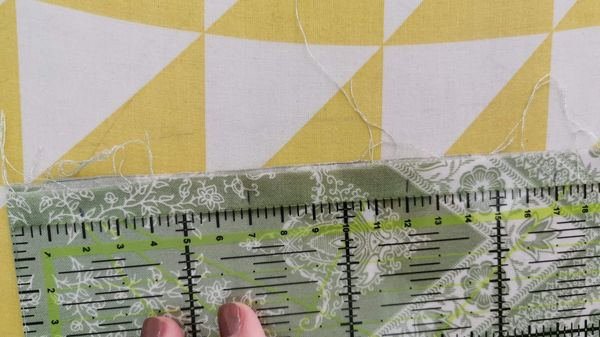
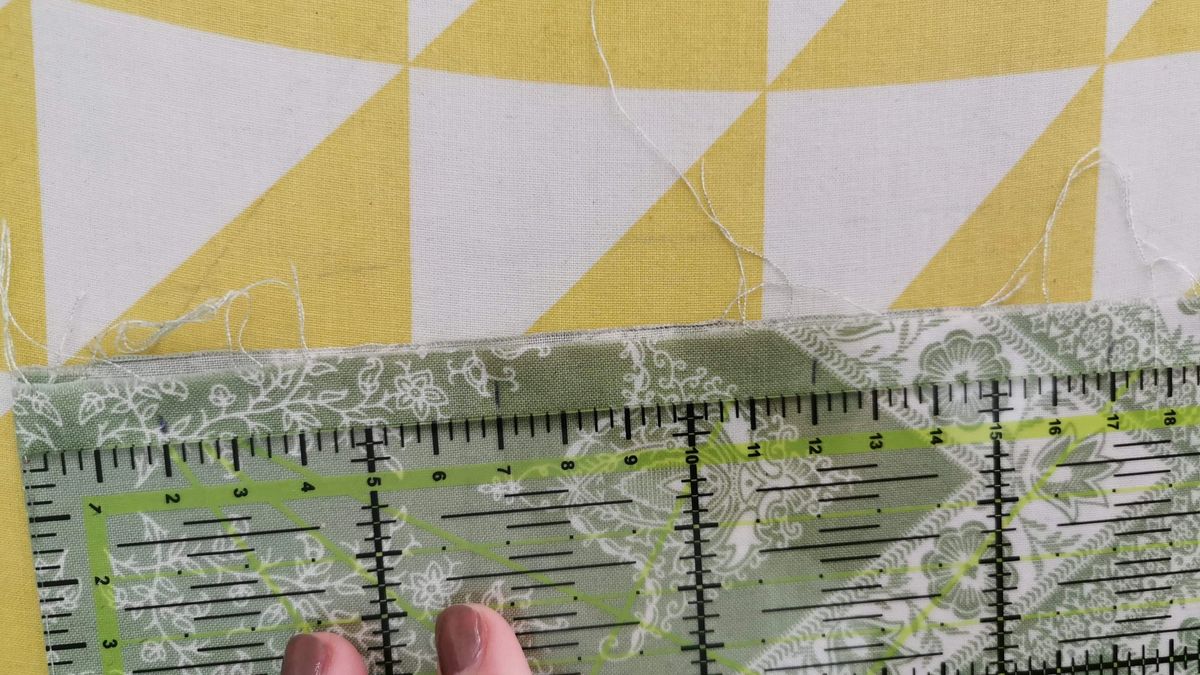
Step 5 - Folding the center
We are going to make the folds in the middle of the mask.
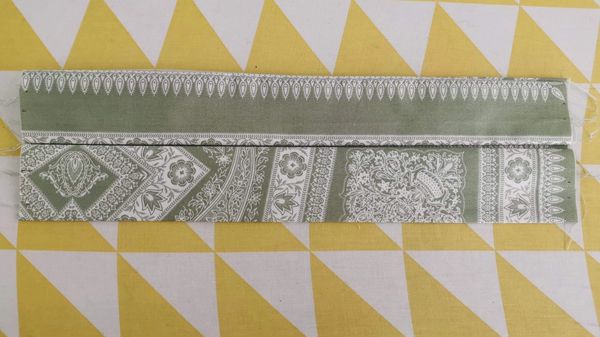
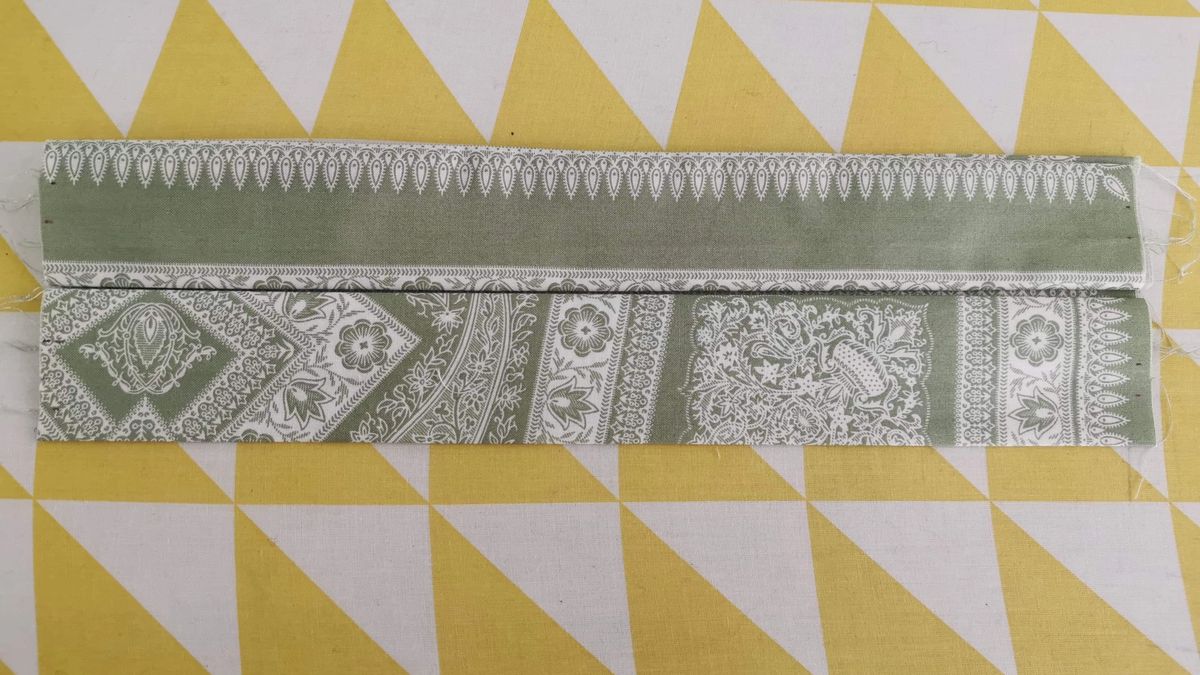
Draw small lines on the left and right sides of the fabric, at: 2cm, 7cm, 12cm and 17cm (0.8in, 2.75in, 4.7in and 6.7in).
These are our folding marks. Hold the fabric on each side at 7cm / 2.75in and fold it over the marks at 2cm / 0.8in from the edge.
Iron to mark the fold. Do the same thing on the bottom of the fabric by folding the fabric at 12cm / 4.7in on the mark at 17cm / 6.7in. Iron the result.
Step 6 - Folding the sides
We will now work on the sides of the mask.
Flip the mask over so we can work on the inside part. Fold the inner edges into a triangle.
Iron at each end. Fold the outer side over our triangles.
And fold again for the last time. Our fabric edges are well maintained and won't fray during washes.
Do the same thing on the other side.
Step 7 - Fix it all
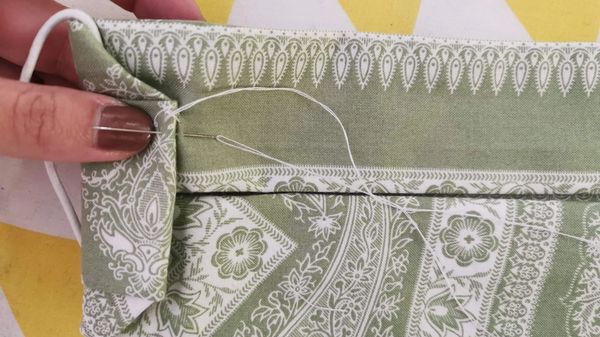
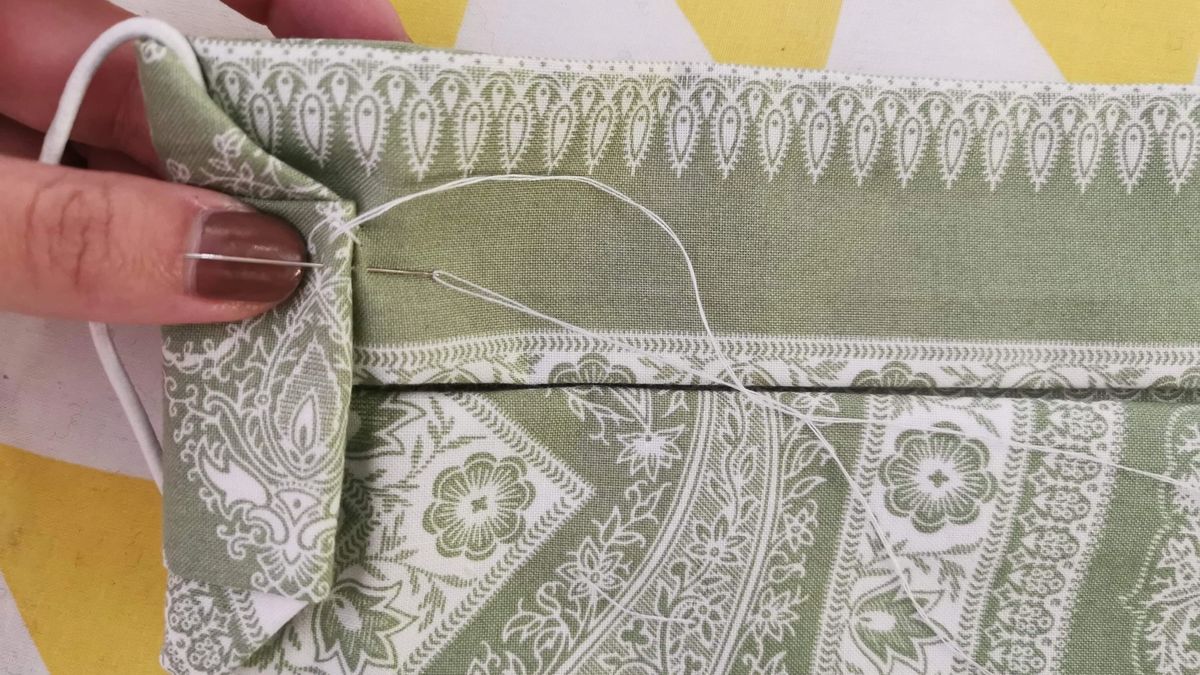
You can use a needle to sew the sides. If you don't have any, you can also pin them using safety pins.
But before that, we must insert our elastics or ribbons in each side.
If you don't have elastic bands, you can cut a length out of an old t-shirt or leggings. The cut part should be sufficiently elastic. There's no need to sew them.
Regarding the elastic bands going to the ears, cut 17cm / 6.7in and tie them tight.
To sew the sides, make a single stitch in a bias in one direction. Once at the end, follow the seam in the other direction. This way the two bias points will form crosses that will hold the pieces together. Pay attention to prick only the fabric on the back side and not the two sides of the mask at once.
Using safety pins to hold the last two folds is another possibility, instead of sewing them.
Step 8 - And voilà !
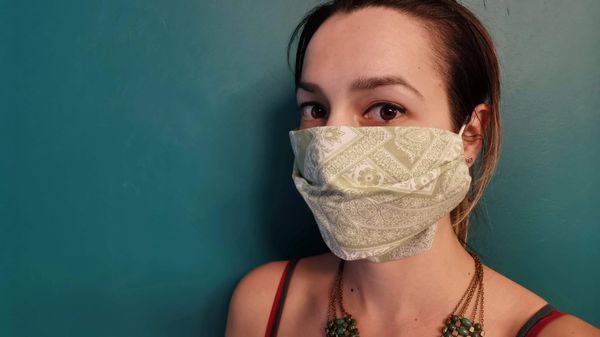
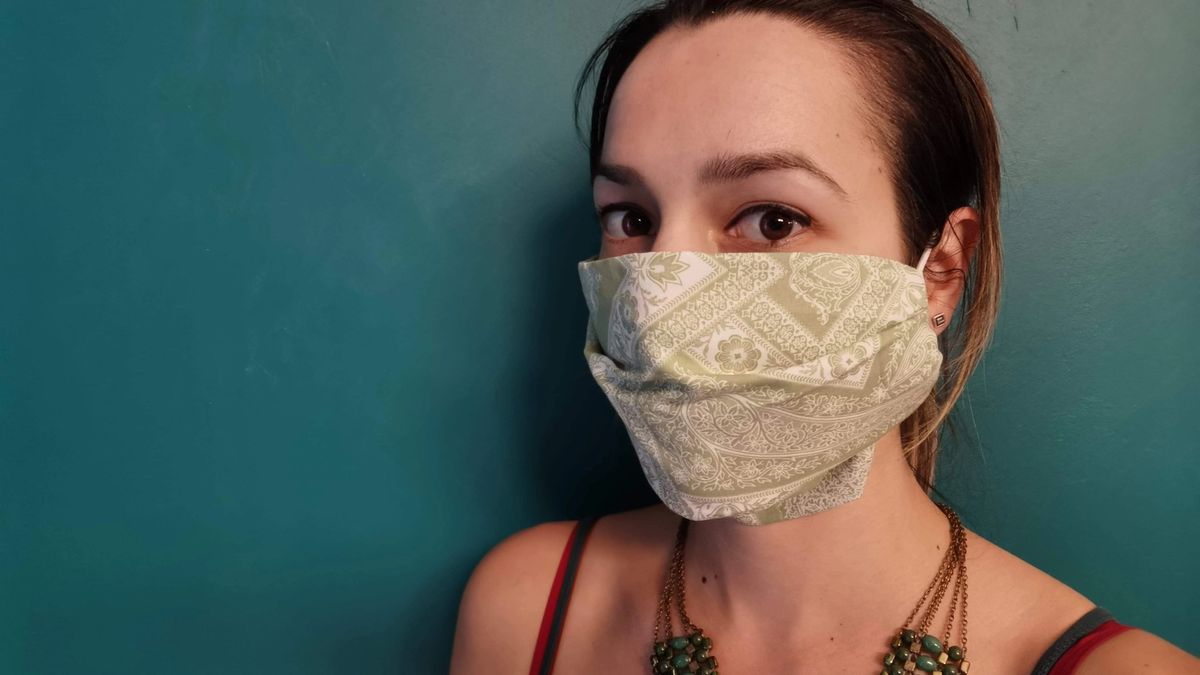
Your mask is finished!
You can now insert your filter in the opening.


